Solar PV in Thailand vs. Europe: A Comparative Analysis
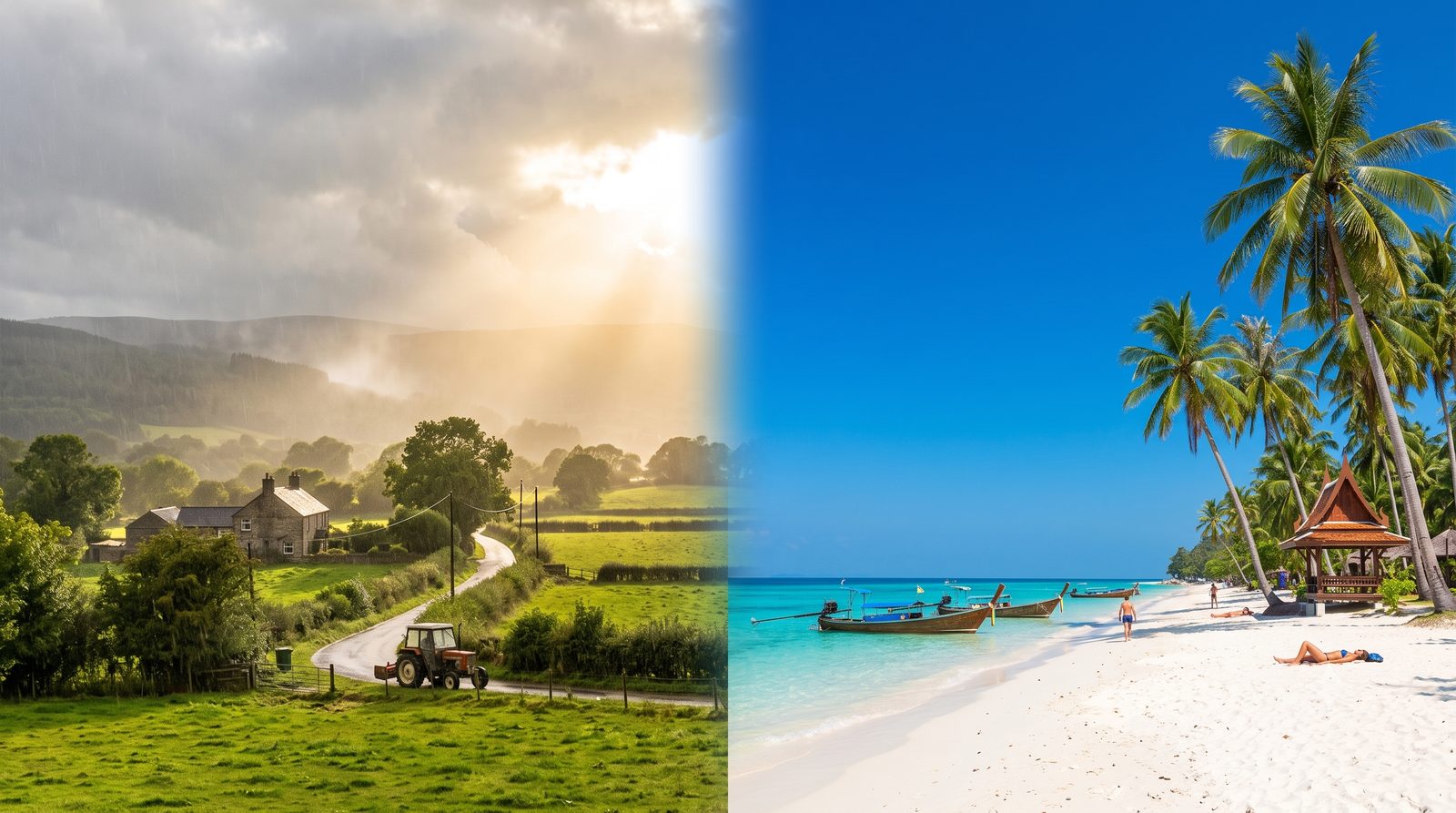
Solar photovoltaic (PV) technology is revolutionizing energy generation worldwide. While solar energy is gaining traction globally, Thailand's unique geographic location and climatic conditions offer distinct advantages over many regions, particularly in comparison to Europe.
1. Geographic Advantage: Proximity to the Equator
Thailand lies close to the equator, providing consistent solar exposure throughout the year. Unlike many European countries — which experience seasonal variations with shorter days and weaker sunlight during winter — Thailand enjoys nearly equal day lengths all year round. This enables a more predictable and stable energy output. Northern European countries like Germany or the UK experience long winters with limited sunlight, making Thailand's solar potential far superior for year-round generation.
2. Optimal Solar Panel Angles
In Thailand, the ideal tilt angle for solar panels is approximately 10–15 degrees — a shallow angle perfect for capturing intense tropical sunlight for longer periods throughout the day. In contrast, panels in Germany require steep tilt angles of 30–40 degrees to capture as much sunlight as possible during shorter daylight hours, with efficiency still limited compared to Thailand.
3. High Solar Exposure
In key regions like Pattaya, Chonburi, and Rayong, where NCA-SOLAR operates, solar irradiation levels are exceptionally high. Germany receives around 1,000–1,200 kWh/m²/year — almost half of what Thailand enjoys.
4. Lower Installation and Maintenance Costs
Due to higher sun exposure and optimal panel angles, solar systems in Thailand require fewer panels to achieve the same energy output as those in Europe. This reduces initial installation cost. Thailand's relatively mild weather also means less wear and tear compared to countries with harsh winters or frequent hail, translating into lower maintenance costs and longer-lasting equipment.
5. Energy Independence
As Thailand modernizes and develops, electricity demand is increasing rapidly. Solar PV offers Thailand a sustainable path toward energy independence by reducing reliance on imported fossil fuels. In Europe, many countries still depend on nuclear or fossil fuels to cover energy needs in winter when solar generation is less reliable. Thailand, with its consistent solar exposure, has the potential to become a leader in renewable energy in Southeast Asia.
Thailand is uniquely positioned to benefit from solar PV technology: proximity to the equator, optimal panel angles, and abundant sunlight make it an ideal location — providing more efficient energy production at lower costs than most of Europe. By capitalizing on these advantages, Thailand can achieve greater energy security, reduce carbon emissions, and lead Southeast Asia's clean energy transition.
Questions about solar for your property?
Our experts are ready to help with a free consultation and personalised savings analysis.
Contact Our Experts →